
Psoriasis is a chronic immune-mediated inflammatory skin disease with episodes of exacerbation and remission. It is usually seen as dry, thick, scaly patches that can be itchy, red and uncomfortable. Psoriasis is prone to recurring. Thus, psoriasis treatment typically revolves around long-term management rather than solely addressing the visible symptoms during a flare-up.
Apart from the modern methods for psoriasis treatment, some plants have a long tradition in the traditional systems of medicine. One such plant is Wrightia tinctoria, a plant well known for its traditional use in skin care. Over time, Wrightia tinctoria has also caught the attention of scientists regarding its potential role in psoriasis-related skin problems.
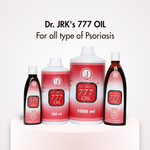
Dr. JRK’s 777 Oil is a popular formulation using Wrightia tinctoria, a topical formulation developed exclusively for psoriasis-prone skin.
Understanding Wrightia Tinctoria
- Wrightia tinctoria is a medicinal plant found in India and other South Asian countries. Different parts of the plant have been used in traditional medicine, especially for skin problems.
- Wrightia tinctoria has been an important botanical in the development of topical formulations for dry, scaly and psoriasis-prone skin because of its association with psoriasis.
- The plant’s properties and possible effects on processes related to psoriasis have been investigated by research, using traditional knowledge as a starting point.
- This combination of traditional use with scientific evaluation makes Wrightia tinctoria as a part of psoriasis treatment and skin-care regimens.
Why Wrightia Tinctoria Is Relevant to Psoriasis
Wrightia tinctoria helps in understanding psoriasis, a condition where immune-mediated inflammation speeds up the turnover of skin cells, resulting in their accumulation and a thick, scaly appearance. This inflammation also causes redness, itchiness, and irritation.
From Traditional Use to a Researched Psoriasis Formulation
- The use of Wrightia tinctoria in psoriasis treatment is not only confined to traditional knowledge. Research has led to the creation of standardized topical preparations.
- One such formulation is Dr JRK’s 777 Oil. The product is a combination of Wrightia tinctoria and coconut oil and has been developed for topical use in psoriasis.
- Dr. JRK’s 777 Oil is a non-steroidal anti-inflammatory anti-scaling formulation. The formulation has been scientifically tested and clinically studied for its role in psoriasis treatment.
- This transformation from an ordinarily valued medicinal plant to a researched formulation is noteworthy.
Dr. JRK’s 777 Oil in Psoriasis Treatment
- An oil for psoriasis is generally used as part of psoriasis treatment to moisturize dry, scaly areas and improve skin comfort. The formulation and its intended use should be considered while choosing, rather than selecting an oil based on texture or fragrance.
- Dr. JRK’s 777 Oil is a steroid-free, anti-inflammatory and anti-scaling oil developed for psoriasis management. It combines: Wrightia tinctoria + Coconut Oil.
- Wrightia tinctoria has been clinically proven for its role in psoriasis management, while the oil base supports moisturization of dry, scaly skin.
- Together, the formulation is intended to address important psoriasis concerns including scaling, itching, redness, inflammation and dryness.
- A routine is easier to maintain when it fits naturally into everyday activities. Using an oil for psoriasis treatment before the morning bath is one way to make skin care a regular habit.

The Role of Coconut Oil in 777 Oil
- Wrightia tinctoria is a very important part of Dr. JRK’s 777 Oil along with coconut oil that helps to treat skin prone to psoriasis.
- As an emollient, coconut oil moisturizes dry areas, enhancing skin softness, which is vital because dry skin often causes discomfort.
- Overall, this formulation deals with psoriasis, not only with the benefits of Wrightia tinctoria but also with the moisturizing properties of coconut oil.
Incorporating 777 Oil into a Regular Psoriasis Routine
- Since psoriasis is often cyclical with periods of improvement and relapse, consistency is key in treating it.
- Step 1: Apply Dr. JRK’s 777 Oil for psoriasis on the psoriasis-affected areas in the morning. Spread it gently don't rub hard or try to pull off scales with your fingers.
- Step 2: Expose the area to sunlight for 10 minutes (optional). Don’t get sunburned.
- Step 3: Wash gently while bathing with psorolin derma skincare soap (PDSS). Use lukewarm water and don’t scrub too hard, or else the skin can get drier and more irritated.
- Step 4: After bathing, pat the skin dry with a soft towel. Rubbing vigorously can irritate psoriasis-affected skin unnecessarily.

The Importance of Moisturization Alongside Psoriasis Treatment
- In psoriasis, skin dryness is often a problem because of inflammation and scaling, so it is important to keep the skin moist to manage the disease.
- Dr. JRK’s 777 Oil contains coconut oil base that works with Wrightia tinctoria to provide an emollient effect, keeping dry, scaly areas moisturized and improving skin softness.
- Regular moisturizing can help alleviate the discomfort of thickened, rough scales, addressing the needs of the underlying skin condition as well as surface needs.
- Use a light weight and fragrance free moisturizer.
Wrightia Tinctoria and Scaling in Psoriasis

Scaling is a key characteristic of psoriasis, arising from rapid production of skin cells. Wrightia tinctoria is being studied for its potential impact on keratinocyte proliferation, which relates to this skin-cell buildup. Effective management typically involves gentle cleansing, regular moisturization, and avoidance of aggressive scratching or peeling of scales to prevent further irritation.
Conclusion
Modern studies have supported the skin-care tradition of Wrightia tinctoria especially for psoriasis as it is beneficial for excessive skin-cell proliferation, inflammation and oxidative stress. Dr. JRK’s 777 Oil takes the use of Wrightia tinctoria and turns it into a researched formula which, when combined with coconut oil, provides anti-scaling, anti-inflammatory and moisturizing benefits for dry, scaly skin. The knowledge of the traditional and scientific aspects of Wrightia tinctoria may help the individuals looking for an effective treatment of psoriasis, which also emphasizes the importance of continuous care and the role of professional guidance in the long-term management.
Frequently asked questions (FAQs)
1) Why is Wrightia tinctoria used in psoriasis treatment?
Wrightia tinctoria has been investigated for activities related to excessive skin-cell proliferation, inflammation and oxidative stress – processes relevant to psoriasis.
2) What is Dr. JRK’s 777 Oil?
Dr. JRK's 777 Oil is a researched topical formulation of Wrightia tinctoria and coconut oil. Formulated for psoriasis-prone skin, it addresses issues such as dryness, scaling, itching and inflammation.
3) Which part of Wrightia tinctoria is commonly associated with psoriasis care?
The leaves of Wrightia tinctoria have traditionally been used in oil-based preparations for skin concerns, including psoriasis.
4) Is Wrightia tinctoria a steroid?
No. Wrightia tinctoria is a botanical ingredient. Dr. JRK’s 777 Oil is positioned as a non-steroidal topical formulation for psoriasis management.
5) Does Wrightia tinctoria have anti-scaling properties?
Wrightia tinctoria has been studied for its effect on the hyper-proliferation of skin cells, which is related to the formation of psoriasis scales. Scaling is the reason why formulations like Dr. JRK’s777 Oil based on Wrightia are used in the management of psoriasis.
6) Does drinking more water improve psoriasis?
Adequate hydration is important for general health, but drinking extra water is not a treatment for psoriasis. Regular topical moisturization is more directly relevant to dry, scaly skin.
7) Can smoking and alcohol affect psoriasis?
Smoking and greater alcohol consumption have been associated with psoriasis severity and poorer overall health. Long-term management of psoriasis includes sensible lifestyle measures such as avoiding smoking and limiting alcohol.