
Psoriasis is a long-term inflammatory skin condition that can cause dry patches, scaling, itching, redness, and discomfort. Many people focus only on external care, but one common question is: Can diet affect psoriasis?
The answer is not as simple as “eat this and psoriasis will disappear.” Food does not cure psoriasis. However, healthy food choices may support the body’s inflammatory balance, help manage weight, improve overall wellness, and reduce some flare triggers in certain people. That makes diet a useful support alongside proper psoriasis treatment, dermatologist guidance, and consistent skincare.
For brands like Dr.JRK’s, psoriasis care is best understood as a complete routine. Products such as Dr.JRK’s 777 Oil, Psorolin Oil, Psorolin Derma Skincare Soap, 1-3-2 Kit for Psoriasis, Lumina Shampoo, and Ai Pro Tablet can support external care, while diet and lifestyle help build a stronger foundation from within.
How Diet May Influence Psoriasis and Skin Health
Psoriasis is linked with immune activity and inflammation. Because of this, many experts recommend a healthy eating pattern that supports overall inflammation management, heart health, and body weight. Diet does not replace medical treatment, but it may influence psoriasis in a few important ways:
- Body weight support: Excess weight may be linked with more severe psoriasis in some people. Weight management through a balanced diet may support better treatment response.
- Inflammation support: Diets rich in vegetables, fruits, whole grains, legumes, nuts, seeds, and healthy fats may support the body’s natural anti-inflammatory balance.
- Trigger identification: Some people notice flares after alcohol, processed foods, excess sugar, or specific foods. Triggers can vary from person to person.
- Gut and immune support: A fiber-rich diet may support gut health, which may indirectly influence immune balance.
What Foods Are Generally Good for Psoriasis-Prone Skin?
A psoriasis-friendly diet is usually not extreme. It is more about choosing simple, balanced, nutrient-rich meals every day.
Helpful food choices may include:
- Vegetables: Greens, carrots, beetroot, cucumber, pumpkin, cabbage, and other colorful vegetables
- Fruits: Apples, berries, oranges, papaya, pomegranate, and seasonal fruits
- Whole grains: Brown rice, millets, oats, whole wheat, and other fiber-rich grains
- Protein sources: Lentils, beans, eggs, fish, lean poultry, tofu, and paneer in moderation
- Healthy fats: Nuts, seeds, olive oil, groundnut oil in moderation, and fatty fish where suitable
- Hydration: Sufficient water intake to support skin and overall health
Mediterranean-style eating patterns are often discussed in psoriasis because they include vegetables, fruits, legumes, seafood, whole grains, and nuts.
Foods That May Worsen Psoriasis in Some People
There is no single “avoid list” that applies to everyone. Still, some foods and habits are commonly reported as triggers by people with psoriasis.

Common foods or habits to monitor include:
- Alcohol
- Highly processed foods
- Sugary snacks and beverages
- Deep-fried foods
- Excess refined flour products
- High saturated-fat meals
- Very spicy foods, if personally triggering
- Gluten, only if sensitivity or celiac disease is suspected
- Nightshade vegetables, only if clearly linked to personal flares
A patient-reported psoriasis study found that some people reported improvement after reducing alcohol, gluten, nightshades, junk foods, and white flour products. However, these were patient-reported outcomes, so they should be used as guidance for observation, not as strict rules for everyone.
Is Gluten-Free Diet Good for Psoriasis Treatment?
A gluten-free diet is not necessary for every person with psoriasis. The American Academy of Dermatology explains that small studies suggest a gluten-free diet may help people with psoriasis who also have gluten sensitivity or celiac-related markers.
That means gluten should not be removed blindly. If symptoms like stomach discomfort, frequent diarrhea, gas, fatigue, or known celiac disease are present, medical testing and professional advice are better than self-restriction.
Does Weight Management Matter in Psoriasis?
For many people, weight management can be an important part of psoriasis care. Research-based dietary recommendations strongly support weight reduction through a low-calorie diet for overweight or obese adults with psoriasis.
This does not mean crash dieting. Safe weight management should be gradual and balanced.
Useful habits include:
- Eating more vegetables and fiber
- Reducing sugary drinks
- Limiting processed snacks
- Choosing smaller portions
- Walking or exercising regularly
- Sleeping well
- Avoiding late-night overeating
Healthy weight management may also support better overall response to psoriasis treatment when combined with medical and topical care.
Benefits of a Balanced Diet for Psoriasis-Prone Skin
A balanced diet can support skin health in many practical ways. It may not remove psoriasis completely, but it can help the body function better.
Key benefits include:
- Supports inflammatory balance
- Helps maintain healthy body weight
- Supports gut health through fiber
- Provides antioxidants from fruits and vegetables
- Supports skin barrier health through healthy fats
- May reduce flare-triggering habits
- Supports energy, sleep, and overall wellness
For psoriasis-prone skin, this “inside + outside” approach is often more practical than focusing only on one product or one food.
How External Psoriasis Care Works with Diet
Diet supports overall health, but psoriasis-prone skin also needs direct care. Thick scales, dryness, itching, and rough plaques often need topical support.
This is where Dr.JRK’s psoriasis care range can fit into a daily routine:
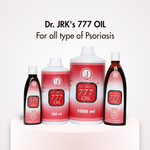
- Dr.JRK’s 777 Oil: Can be used as a pre-bath oil to support scale softening and skin comfort.
- Psorolin-B Ointment : May support post-bath care for psoriasis-prone patches.
- Psorolin Derma Skincare Soap: Helps with gentle cleansing for dry, sensitive, and psoriasis-prone skin.
- 1-3-2 Kit for Psoriasis: Offers a structured psoriasis care routine with oil, soap, and ointment-based support.
- Lumina Shampoo: Can support scalp hygiene where flakes and scalp discomfort are a concern.
- Ai Pro Tablet: Can be positioned as internal support only as advised by a healthcare professional.
The best routine is not about using too many products. It is about using the right products consistently and safely.
How to Use Diet as Part of a Psoriasis Care Routine
A simple food routine is easier to follow than a strict diet plan.
Try this approach:
-
Start with one plate rule
Fill half the plate with vegetables, one quarter with protein, and one quarter with grains or millets. -
Add fiber daily
Include vegetables, fruits, legumes, and whole grains. -
Reduce processed foods
Cut down on packaged snacks, sugary drinks, and deep-fried foods. -
Track personal triggers
Keep a simple food and flare diary for 4–6 weeks. -
Stay hydrated
Drink enough water through the day. -
Pair diet with skin care
Continue dermatologist-recommended psoriasis treatment and use suitable topical products regularly. -
Avoid extreme restrictions
Do not remove entire food groups without medical advice.
Common Diet Mistakes People Make in Psoriasis
Many people try to control psoriasis through food but end up making the routine too difficult.
Avoid these common mistakes:
- Expecting diet to cure psoriasis
- Stopping prescribed treatment without a doctor’s advice
- Following extreme detox diets
- Removing gluten without checking sensitivity
- Skipping protein
- Eating too little and causing weakness
- Ignoring alcohol or sugary drinks
- Not tracking personal triggers
- Changing too many things at once
- Using diet as a replacement for skin care
Diet can support psoriasis management, but it works best as one part of a broader plan.
Book an Appointment with our Expert

Sample Psoriasis-Friendly Food Choices
Here are simple meal ideas that may support skin and overall wellness:
Breakfast options
- Oats with nuts and fruit
- Idli with sambar and vegetables
- Millet dosa with chutney
- Boiled eggs with whole-grain toast
- Vegetable upma with curd, if tolerated
Lunch options
- Brown rice or millet with dal and vegetables
- Chapati with greens, dal, and salad
- Fish curry with rice and vegetables, where suitable
- Curd rice with vegetables, if dairy is tolerated
Snack options
- Fruit
- Nuts and seeds
- Roasted chana
- Buttermilk, if tolerated
- Sprouts salad
Dinner options
- Vegetable soup with protein
- Chapati with dal and cooked vegetables
- Light rice meal with vegetables
- Grilled fish or paneer with salad, where suitable
The goal is not perfection. The goal is consistency.
Conclusion
Food choices can influence skin health, but diet should not be treated as a standalone psoriasis cure. A balanced diet may support inflammation control, weight management, gut health, and overall wellness, all of which can help people living with psoriasis.
The most practical approach is a combination of healthy food habits, trigger awareness, stress control, regular moisturization, dermatologist guidance and consistent psoriasis treatment.
Dr.JRK's psoriasis range of products

For daily skin support, Dr.JRK’s range including 777 Oil, Psorolin-B Ointment, Psorolin Derma Skincare Soap, 1-3-2 Kit for Psoriasis, Lumina Shampoo, and Ai Pro Tablet can be explored as part of a structured psoriasis care routine.
Frequently Asked Questions
1. Can diet cure psoriasis?
No. Diet cannot cure psoriasis. However, a healthy diet may support inflammation balance, weight management, and overall skin health. It should be used along with proper psoriasis treatment and medical guidance.
2. What is the best diet for psoriasis?
There is no single best diet for everyone. A balanced, anti-inflammatory eating pattern with vegetables, fruits, whole grains, legumes, lean proteins, nuts, seeds, and healthy fats may support psoriasis care.
3. Should people with psoriasis avoid gluten?
Not everyone needs to avoid gluten. A gluten-free diet may help people who have celiac disease or gluten sensitivity. Testing and medical advice are recommended before removing gluten completely.
4. Can oily or fried foods trigger psoriasis?
Fried and highly processed foods may worsen inflammation and weight gain in some people. They may also act as personal triggers. Reducing them can support overall psoriasis management.
5. Does alcohol affect psoriasis?
Alcohol may worsen psoriasis in some people and may also interfere with overall health and treatment response. Reducing or avoiding alcohol is often recommended as part of psoriasis care.
6. Can Dr.JRK’s products be used with diet changes?
Yes. Diet supports internal wellness, while topical products such as Dr.JRK’s 777 Oil, Psorolin Oil, Psorolin Derma Skincare Soap, and 1-3-2 Kit for Psoriasis can support external psoriasis care. Follow product directions and medical advice.
7. Is scalp psoriasis affected by diet?
Diet may influence overall inflammation, but scalp psoriasis also needs direct scalp care. Gentle cleansing, avoiding harsh scratching, and using suitable scalp products can help support comfort.