
The monsoon season brings refreshing rain, cooler temperatures and more humidity. While the weather may be nice, seasons can impact people living with psoriasis. Some people find their skin less dry in humid weather, while others find they itch & scale more.
Psoriasis is a chronic inflammatory skin disease that produces red, thickened and scaly patches. In the rainy season, the weather, skin moisture and daily habits can all affect the way skin feels.
A regular skincare routine and the right oil for psoriasis can go a long way toward managing dryness and keeping skin prone to psoriasis comfortable.
How Does Monsoon Weather Affect Psoriasis?
Weather changes do not affect everyone with psoriasis in the same way. Increased humidity may reduce dryness for some people, while damp conditions, sweating and skin irritation can create discomfort for others.
During monsoon, several environmental and lifestyle factors may influence psoriasis symptoms.
1. Increased Humidity and Sweating
- High humidity can make the skin feel sticky. Excessive sweating, especially in the areas where skin folds meet, can lead to irritation.
- Sweat and friction can aggravate itching or irritation in people with psoriasis.
- Loose, breathable cotton clothing and keeping the skin clean can reduce unnecessary irritations.
2. Changes in Skin Moisture
- Although monsoon weather is humid, psoriasis-prone skin may still experience dryness.
- Psoriasis affects the skin's natural protective barrier, making it more difficult to maintain adequate moisture.
- Dryness can make scales more noticeable and contribute to skin tightness.
- Using a suitable oil for psoriasis as part of a moisturizing routine may help soften dry, scaly areas and improve skin comfort.
3. Reduced Sunlight Exposure
- During monsoon, cloudy skies and frequent rainfall may reduce opportunities for sunlight exposure.
- Controlled ultraviolet light exposure, particularly medically supervised phototherapy, is sometimes used in psoriasis management.
- However, natural sunlight is not a substitute for prescribed phototherapy, and excessive UV exposure can damage the skin.
- Individuals undergoing psoriasis treatment should follow their dermatologist's recommendations rather than increasing sun exposure independently.
4. Skin Irritation from Damp Clothing
- Wearing wet or damp clothes for extended periods can increase friction and skin irritation.
- Psoriasis-affected skin may be particularly sensitive to repeated rubbing and irritation.
- Changing out of wet clothes, gently drying the skin and wearing comfortable fabrics can help maintain skin hygiene during the rainy season.
Common Psoriasis Symptoms During Monsoon
Psoriasis symptoms may change with seasonal conditions and individual triggers. Common concerns include:
- Dry and scaly skin patches
- Redness and inflammation
- Itching and skin irritation
- Skin tightness and discomfort
- Thickened or rough skin
- Recurring psoriasis flare-ups
Not everyone experiences worsening symptoms during monsoon. Identifying personal triggers and maintaining regular skincare habits can make seasonal management easier.

Why Is Moisturization Important for Psoriasis-Prone Skin?
- Keeping the skin moist is an important part of daily psoriasis care.
- Psoriasis can break down the skin barrier, which can result in greater loss of moisture and the formation of dry, rough scales.
- Regular moisturizing reduces dryness, softens scales and makes the skin more comfortable.
- Picking the right oil for psoriasis can help with the retention of moisture in affected areas.
- However, moisturizing products are not a substitute for medical treatment of the underlying inflammatory condition.
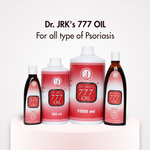
Dr. JRK’s 777 Oil – Superior treatment for all types of psoriasis

- Dr. JRK’s 777 Oil is a topical oil made for psoriasis-prone skin. Can be used in a consistent routine to combat dryness and scaling.
- An oil for psoriasis is generally used as part of psoriasis treatment to moisturize dry, scaly areas and improve skin comfort. The formulation and its intended use should be considered while choosing, rather than selecting an oil based on texture or fragrance.
- Dr. JRK’s 777 Oil is an anti-inflammatory and anti-scaling oil developed for psoriasis management. It combines: Wrightia tinctoria + Coconut Oil.
- Wrightia tinctoria has been clinically proven for its role in psoriasis management, while the oil base supports moisturization of dry, scaly skin.
- Together, the formulation is intended to address important psoriasis concerns including scaling, itching, redness, inflammation and dryness.
- A routine is easier to maintain when it fits naturally into everyday activities. Using an oil for psoriasis treatment before the morning bath is one way to make skin care a regular habit.
- Since psoriasis is often cyclical with periods of improvement and relapse, consistency is key in treating it.
- Step 1: Apply Dr. JRK’s 777 Oil for psoriasis on the psoriasis-affected areas in the morning. Spread it gently don't rub hard or try to pull off scales with your fingers.
- Step 2: Expose the area to sunlight for 10 minutes (optional). Don’t get sunburned.
- Step 3: Wash gently while bathing with psorolin derma skincare soap (PDSS). Use lukewarm water and don’t scrub too hard, or else the skin can get drier and more irritated.
- Step 4: After bathing, pat the skin dry with a soft towel. Rubbing vigorously can irritate psoriasis-affected skin unnecessarily.
Simple Monsoon Skincare Tips for Psoriasis

A few everyday habits can make psoriasis skincare easier during the rainy season.
- a) Keep Skin Moisturized: Use suitable moisturizing products regularly, even when the weather feels humid.
- b) Choose Comfortable Clothing: Wear soft, breathable fabrics to reduce sweating and friction.
- c) Avoid Hot Showers: Use lukewarm water and gentle cleansing products to prevent excessive dryness.
- d) Change Wet Clothes Promptly: Avoid keeping damp clothing against psoriasis-affected skin for long periods.
- e) Manage Everyday Stress: Stress can be a psoriasis trigger for some individuals. Adequate sleep, relaxation and regular physical activity may contribute to overall well-being.
- f) Continue Prescribed Treatment: Do not stop or change psoriasis medication because of seasonal changes without consulting your dermatologist.

Conclusion
The monsoon weather can have varied effects on psoriasis-prone skin. Higher humidity may help dry skin for some, but for others sweating, friction and changes in daily habits may cause itching and discomfort. It is important to deal with seasonal psoriasis concerns by keeping a consistent skincare routine, avoiding irritation and keeping the skin moisturized. Choosing a suitable oil for psoriasis, such as Dr. JRK's 777 Oil, can be part of everyday skincare for dry, scaly and psoriasis-prone skin. Regular moisturisation, treatment as per dermatologist’s recommendation and knowing personal triggers can help keep skin comfortable throughout the monsoon season.
Frequently asked questions (FAQs)
1) Does psoriasis get worse during the monsoon season?
Psoriasis symptoms may worsen for some people during monsoon due to sweating, humidity and skin irritation. However, seasonal changes affect everyone differently.
2) Can humidity affect psoriasis symptoms?
Yes. High humidity may reduce skin dryness for some individuals, while excessive sweating and friction can increase itching and discomfort in others.
3) Why is oil for psoriasis important during monsoon?
Using a suitable oil for psoriasis can help moisturize dry, scaly skin, soften visible scales and maintain skin comfort during seasonal changes.
4) Can Dr. JRK's 777 Oil be used during the rainy season?
Yes. Dr. JRK's 777 Oil can be included in a regular psoriasis skincare routine during monsoon. Follow the recommended application directions.
5) Can oil for psoriasis replace regular moisturizers?
An oil for psoriasis may help reduce moisture loss, but some people may also need a moisturizer for adequate hydration. The choice depends on individual skin needs.
6) Can stress and seasonal changes together affect psoriasis?
Yes. Stress is a recognized psoriasis trigger for some people. Managing stress and maintaining consistent skincare habits may help reduce flare-up triggers during seasonal changes.
7) Does sweating increase psoriasis itching?
Sweating may irritate psoriasis-affected skin, particularly when combined with friction or tight clothing. Keeping the skin clean and wearing breathable fabrics may reduce discomfort.