
When psoriasis patches begin to look better, scaling becomes less noticeable, and itching settles, it can feel like the skin no longer needs the same level of attention. However, improvement in visible symptoms does not necessarily mean that psoriasis has permanently gone away.
Psoriasis is a chronic inflammatory skin condition that can move through periods of active symptoms and periods when symptoms become less noticeable (called remission). Because of this recurring nature, psoriasis care is not limited to managing the skin only when plaques and scales are clearly visible.
A consistent skin-care routine can help keep psoriasis-affected skin moisturized and comfortable. Moisturizing products, including a suitable oil for psoriasis, can form part of this everyday approach to skin care.
Better-Looking Skin Does Not Always Mean Psoriasis Has Gone
Symptoms of psoriasis may go through cycles. In an active period, a person may observe:
- Thick scales.
- Dryness Redness
- Swelling Itching
- Psoriasis patches visible
Sometimes these symptoms may improve significantly. The skin may look better and feel more comfortable, but this does not mean that psoriasis is gone forever. Psoriasis can go through a cycle of:
Active symptoms → Improving → Remission → Possible recurrence.
The length and pattern of these phases varies from person to person. And that is why treatment for psoriasis is not a matter of waiting for the scales to show. Continued skin care between more active periods is also important.
Understanding Psoriasis Remission
- Remission in psoriasis: Remission in psoriasis is a period during which symptoms decrease or become less apparent.
- For some people: For some people remission means fewer plaques, for others it might mean less scaling, redness and itching. What remission actually means varies for different people.
- The length of remission: The length of remission is different for each person and should not be mistaken as a permanent cure.
- Psoriasis is a long-term condition: Psoriasis is a long-term condition that can flare up again after periods of improvement. This may be due to individual triggers, how someone responds to treatment or environmental factors.
- Therefore: Therefore, a consistent approach to psoriasis management is recommended rather than only during visible flare-ups.

Why Skin Care Still Matters even on Better Days?
- Even if you’re seeing improvements: Even if you’re seeing improvements like less scaling and redness, it’s important to keep up a consistent skin-care routine.
- Regular care: Regular care, especially moisturizing, can help to support the skin-barrier function, which can be compromised by psoriasis.
- A broken barrier: A broken barrier means you have a hard time holding onto moisture, which results in dryness and discomfort.
- Moisturizing properly: Moisturizing properly helps to soften skin, decrease dryness, make skin feel comfortable and manage scales better.
- It’s important to develop the habit: It’s important to develop the habit of regular moisturization, much like you would brush your teeth, to maintain the health of your skin on an ongoing basis, rather than waiting for problems to appear.
Choosing an Oil for Psoriasis Care
- An oil for psoriasis: An oil for psoriasis is generally used as part of psoriasis treatment to moisturize dry, scaly areas and improve skin comfort. The formulation and its intended use should be considered while choosing, rather than selecting an oil based on texture or fragrance.
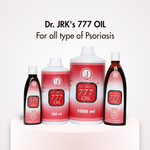
- Dr. JRK’s 777 Oil: Dr. JRK’s 777 Oil is a non-steroidal, anti-inflammatory and anti-scaling oil developed for psoriasis management. It combines: Wrightia tinctoria + Coconut Oil.
- Wrightia tinctoria: Wrightia tinctoria has been clinically proven for its role in psoriasis management, while the oil base supports moisturization of dry, scaly skin.
- Together: Together, the formulation is intended to address important psoriasis concerns including scaling, itching, redness, inflammation and dryness.
A Simple Morning Routine Using Dr. JRKs 777 Oil for Psoriasis

A routine is easier to maintain when it fits naturally into everyday activities. Using an oil for psoriasis before the morning bath is one way to make skin care a regular habit.
- Step 1: Apply Dr. JRK’s 777Oil for psoriasis on the psoriasis-affected areas in the morning. Spread it gently don't rub hard or try to pull off scales with your fingers.
- Step 2: Expose the area to sunlight for 10 minutes (optional). Don’t get sunburned.
- Step 3: Wash gently while bathing with psorolin derma skincare soap (PDSS). Use lukewarm water and don’t scrub too hard, or else the skin can get drier and more irritated.
- Step 4: After bathing, pat the skin dry with a soft towel. Rubbing vigorously can irritate psoriasis-affected skin unnecessarily.
The purpose of this routine is to make psoriasis treatment a predictable part of the morning rather than something that is followed only when symptoms become more noticeable.
Avoid Peeling Psoriasis Scales
- Visible scales: Visible scales can sometimes create an urge to scratch, pick, or manually remove them. Doing so may irritate or damage the skin underneath.
- A gentler approach: A gentler approach is to keep psoriasis-affected skin adequately moisturized and follow the recommended care routine.
- Using an appropriate oil for psoriasis: Using an appropriate oil for psoriasis can help keep dry, scaly areas moisturized without relying on forceful removal of scales.
- Gentle handling: Gentle handling is particularly important in areas exposed to frequent friction from clothing or movement.

Learn to Recognize Your Own Psoriasis Pattern
- Psoriasis is not a single experience: Psoriasis is not a single experience. Symptoms can vary widely from person to person.
- Weather, emotional stress, skin damage or interruptions in therapy: Weather, emotional stress, skin damage or interruptions in therapy are possible reasons for variations in symptoms.
- A symptom diary: A symptom diary can help you identify your own patterns of changes in symptoms, where the patches are, if there are areas that are dry or itchy, changes in your lifestyle and gaps in your routine of care.
- The idea of this practice: The idea of this practice is to talk about it with a doctor for more understanding not obsessive monitoring.
Consistency Matters in Psoriasis Skin Care
- One helpful change: One helpful change in how we think about psoriasis care is thinking of it as a continuum, rather than a yes or no for treatment.
- Treatment of the disease: Treatment of the disease is aimed at controlling the symptoms when the disease is active and gentle care and moistening of the skin can keep the skin comfortable when it improves.
- This way: This way, Dr. JRK’s 777 Oil for psoriasis becomes a part of your daily treatment routine, to get rid of scaling.
- Consistency: Consistency does not mean constantly thinking about psoriasis. The aim is to develop a straightforward routine that becomes part of everyday life.

Conclusion
When dealing with psoriasis, it is important to appreciate improvements while continuing a consistent skin care routine. It is essential to keep in mind that psoriasis is cyclical, so gentle cleansing, regular moisturizing, and following the recommended treatments during the quieter times are important. Dr. JRK’s 777 Oil for psoriasis is a non-steroidal, anti-inflammatory product that contains Wrightia tinctoria and coconut oil. It soothes and hydrates rough, flaky skin. Ongoing care aims to incorporate effective treatment into daily life, making the routine simple enough that psoriasis is not constantly on your mind. And even when symptoms start to improve, it’s important to remain consistent with your care.
Frequently Asked Questions (FAQs)
1. Can psoriasis symptoms improve and return later?
Yes. Psoriasis can have periods of remission when symptoms become less noticeable. Symptoms may later become active again. The duration and pattern of these periods vary from person to person.
2. Why is moisturization important for psoriasis-prone skin?
Psoriasis-prone skin can experience dryness and difficulty retaining moisture. Regular moisturization helps keep the skin hydrated, softens dry scales, and helps maintain skin comfort.
3. How can an oil for psoriasis be included in daily skin care?
An oil for psoriasis can be applied to psoriasis-affected skin as part of a regular moisturization and skin-care routine. The specific method and frequency of use should follow the product instructions or advice provided by a healthcare professional.
4. What is Dr. JRK’s 777 Oil?
Dr. JRK’s 777 Oil is a non-steroidal, anti-inflammatory and anti-scaling oil developed for psoriasis management. It contains Wrightia tinctoria and coconut oil and is intended for psoriasis concerns such as scaling, itching, redness, inflammation, and dryness.
5. Is Dr. JRK’s 777 Oil only for scalp psoriasis?
No. Dr. JRK’s 777 Oil is intended for psoriasis-affected skin and is not limited to scalp use. It should be applied as directed.
6. Should an oil for psoriasis be stopped once the skin looks better?
A period of improvement does not necessarily mean psoriasis has permanently resolved. Ongoing moisturization and skin care may remain useful during remission. Decisions about prescribed or medically recommended psoriasis treatment should be discussed with the treating healthcare professional rather than stopped independently.
7. Can diet help during psoriasis remission?
There is no single diet that guarantees psoriasis will not recur. A balanced diet containing vegetables, fruits, whole grains, adequate protein, and healthy fats can contribute to overall health. Unnecessary dietary restrictions should be avoided unless recommended by a qualified healthcare professional.