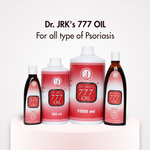

Psoriasis is usually considered a skin condition, with its redness, thick scales, dryness and itching but inside the body there is something happening that most people don't know about.
Immune system plays a major role in psoriasis. Yes, this is the same system that protects body from infection and that’s also involved in the inflammation that causes the symptoms of psoriasis.
So what is the link? And why is knowing about the immune system important in picking the right psoriasis treatment? Let's see!
Psoriasis Is More Than Just a Skin Problem
Usually skin produces new cells on a regular basis and the old cells fall off naturally. But in psoriasis this process is much quicker than normal.
That's because the immune system sends signals that cause inflammation and speed the production of skin cells.
Instead of shedding normally, the extra skin cells build up on the surface, forming thick, scaly patches.

This can lead to:
- Dry, flaky and scaly skin
- Red or inflamed patches
- Itching and irritation
- Cracked or uncomfortable skin
- Recurring flare-ups
That's why psoriasis treatment involves more than simply removing visible scales. It also focuses on managing the inflammation behind them.
How is Immune System connected with Psoriasis?
The role of immune system is to work as a guard & identify and protect the body from harmful germs and infections. But sometimes it goes into overdrive.
In psoriasis, immune cells release inflammatory signals in the absence of infection to fight. These messages cause the skin to produce new cells too fast. The result? Flaking and recurring skin irritation, inflammation.
Here is something important: Psoriasis doesn't necessarily mean your immune system is weak. It means certain immune responses are not working as they should.
This is why effective psoriasis treatment focuses on abnormal inflammation rather than simply enhancing immunity.
Why Does Psoriasis Keep Coming Back?
Have you ever noticed that psoriasis symptoms improve for a while and then suddenly return? This happens because psoriasis is a chronic condition, meaning it can continue over a long period.

Certain factors may trigger or worsen flare-ups, including:
- Stress: Emotional stress may aggravate psoriasis symptoms.
- Weather changes: Cold and dry weather can increase skin dryness.
- Skin injuries: Cuts, scratches or irritation may trigger new patches.
- Infections: Certain infections can trigger psoriasis flare-ups.
- Some medications: Particular medicines may influence psoriasis symptoms.
Not everyone experiences the same triggers. Understanding what affects your skin can make daily psoriasis management easier.
Various psoriasis treatment
The inflammation behind psoriasis is driven by immune activity. Depending on the severity of the condition, dermatologists may recommend different treatment options.
Topical Treatments
Oils, Creams, ointments and other prescribed topical medications can manage inflammation and scaling.
Regular moisturization also plays an important role in reducing dryness and supporting skin comfort.
Light Therapy
For some individuals, controlled ultraviolet light therapy may reduce psoriasis symptoms.
This treatment should be performed under professional supervision.
Systemic Treatments
For moderate to severe psoriasis, doctors may prescribe medicines that act on specific immune pathways responsible for inflammation.
The right psoriasis treatment depends on individual symptoms, severity and medical history.
Can Everyday Habits Make a Difference?
While psoriasis requires proper medical treatment, daily habits can also be important. No need for a complicated routine. Start with some simple steps.
- Moisturize your skin: Dry skin can be more uncomfortable, so it’s important to moisturize regularly.
- Eat a nutritious diet: Add vegetables, fruit, whole grains and other healthy foods.
- Control everyday stress: Walking, relaxation exercises and fun activities can help reduce stress.
- Sleep well enough: Getting regular sleep is a key ingredient in overall health.
- Know your triggers: Know what triggers your psoriasis and talk to your dermatologist about recurrent flare-ups.
Remember that these habits support overall health, but don’t replace prescribed psoriasis treatment.
JRK’s ImmDis Immunity Drops – Stronger immunity. Superior treatment success

Indications: Immune modulator for recurrent infections & auto-immune conditions.
Benefits:
- Accelerates recovery from fungal/ bacterial/ viral infections
- Speeds up treatment success for psoriasis, vitiligo & diabetes
- Enhances phagocytosis
- Augments immune system
- Promotes good health for disease free lifestyle
5 vital ingredients for stronger immunity:
- Indigofera aspalanthoides
- Celastrus paniculatus
- Corallocarpus epigaeus
- Cinnamonum camphora
- Salanum trilobatum
Dosage: Children (above 10 years): 5 drops with honey or milk or water in empty stomach twice a day.
Adults: 10 drops twice a day in empty stomach or as directed by the physician.
What Makes ImmDis Different?
JRK’s ImmDis Immunity Drops is a complementary immune-wellness supplement for those looking to support their overall health.
For people exploring additional wellness options alongside psoriasis treatment, JRK’s ImmDis immunity drops may be considered after consulting a healthcare professional.
Skin Health and Immune Health Go Together
Psoriasis teaches us that the skin is a mirror of what’s going on inside the body. Visible spots are only one piece of the puzzle. Immune-driven inflammation is a big contributor behind the scenes.
This is why psoriasis treatment in the long term is about finding the right balance between medical treatment, regular skin moisturization and healthy everyday habits.
Knowing the connection between them will help to identify triggers and make informed decisions about the skin.
Conclusion
Healthy skin starts with understanding what's happening beneath the surface. Psoriasis is not simply a problem of dry or flaky skin. It is an immune-mediated condition that requires thoughtful & consistent management. The right psoriasis treatment focuses on controlling inflammation, managing visible symptoms and improving everyday comfort. Alongside good skincare habits and overall wellness practices can support a healthier lifestyle. JRK’s ImmDis Immunity Drops offers an immune-support option that can be discussed with a healthcare professional as part of a broader wellness routine. Because when it comes to psoriasis, understanding skin is just as important.
Frequently Asked Questions (FAQs)
1.How is the immune system connected to psoriasis?
Psoriasis occurs when certain immune responses become overactive, causing inflammation and rapid skin cell production. This leads to thick, scaly and itchy patches.
2.Does having psoriasis mean the immune system is weak?
No. Psoriasis is linked to abnormal immune activity, not simply weak immunity. Effective psoriasis treatment focuses on controlling inflammation and managing symptoms.
3. Can improving immune health help with psoriasis treatment?
Maintaining overall health through balanced nutrition, adequate sleep and stress management can support well-being. However, these habits cannot replace medical psoriasis treatment.
4.Why does psoriasis keep returning even after treatment?
Psoriasis is a chronic condition that can have recurring flare-ups. Stress, infections, weather changes and certain medications may trigger symptoms.
5.Can psoriasis be managed with lifestyle changes alone?
Lifestyle changes can support skin comfort and overall health, but they are generally not enough to manage psoriasis on their own. Appropriate medical treatment remains important.
6.What is JRK’s ImmDis Immunity Drops used for?
JRK’s ImmDis Immunity Drops is an immune modulator drops formulated for immune-support and overall wellness. Can be used as a supportive therapy for recurrent infections & auto-immune conditions like psoriasis.
7.How can overall health be supported while managing psoriasis?
JRK’s ImmDis Immunity Drops is an immune modulator drops formulated for immune-support and overall wellness. Follow a balanced diet, get adequate sleep, stay physically active, manage stress and continue dermatologist-recommended psoriasis treatment for better long-term management.
8.Why is regular moisturization important during psoriasis treatment?
Moisturization helps reduce dryness, soften scales and support the skin's protective barrier, making it an important part of daily psoriasis management