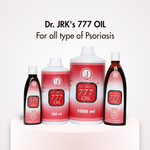

Psoriasis is a chronic immune-mediated skin disease that affects millions of people worldwide. It often presents as dry, thickened, scaly patches that may be accompanied by redness, itching and irritation.
The signs are seen on the skin, but psoriasis is much more than just a surface change. Inflammation is a key in the development and progression of psoriasis. Understanding this relationship is important when considering the psoriasis treatment and long-term management strategies.
A comprehensive strategy takes care of the visible skin symptoms as well as the underlying inflammatory processes, regular moisturizing, healthy lifestyle habits and appropriate medical guidance.

Understanding the Connection Between Psoriasis and Inflammation

- Inflammation is the body’s reaction to injury, irritation, or infection. The immune system usually launches inflammatory responses to protect the body and facilitate recovery.
- In psoriasis, however, the immune system goes into overdrive, causing chronic inflammation of the skin.
- This speeds up the production of skin cells which pile up on the surface rather than shedding through the normal renewal process. This results in thickened, scaly patches, often with itching, dryness and irritation.
- That’s why managing inflammation is a key part of effective psoriasis treatment and long-term symptom management.
How Inflammatory Cytokines Influence Psoriasis

- Cytokines are small proteins that act as messengers between immune cells, helping the body control inflammation and maintain a balanced immune response.
- In psoriasis, certain cytokines become overactive, causing the immune system to send continuous inflammatory signals. This speeds up skin cell production, leading to thick, scaly patches, redness and irritation.
- Several cytokines are involved in this process:
- TNF-alpha: Promotes inflammation and contributes to psoriasis-related skin changes.
- IL-6: Helps regulate immune activity and contributes to inflammatory responses.
- IL-8: Attracts immune cells to affected areas, contributing to skin inflammation.
- IL-17 and IL-23: Play key roles in sustaining inflammation and accelerating skin cell production.
- Understanding how these cytokines work has helped researchers develop targeted psoriasis treatment options that address specific inflammatory pathways.
- By managing these inflammatory signals, certain treatments can help reduce psoriasis symptoms and improve overall skin health.
Why Inflammation Management Matters in Psoriasis Treatment

- Effective psoriasis treatment involves more than addressing visible dryness, scaling and irritation. Since psoriasis is an immune-mediated condition, controlling inflammation is important for managing symptoms and reducing disease activity.
- Depending on the severity and extent of psoriasis, dermatologists may recommend topical medications, phototherapy, systemic treatments or targeted biological therapies.
- Alongside medical psoriasis treatment, maintaining skin hydration, avoiding known triggers and following a consistent skincare routine can help support skin comfort.
- A personalized approach is important because psoriasis symptoms, triggers and treatment responses can vary from person to person.
Exploring the Role of Plant-Based Compounds in Inflammation Management

- Phyto-actives are naturally occurring compounds derived from plants that have attracted scientific interest for their potential anti-inflammatory and antioxidant properties
- Research suggests that certain phyto-actives may help regulate inflammatory signaling pathways, including cytokines such as TNF-α, IL-6 and IL-8, which are involved in immune responses and inflammation.
- These findings highlight the potential of plant-derived compounds in supporting inflammation management.

JRK’s AiPro Tablets
For psoriasis
- Rapid action reduces inflammation, itching & scaling
- Prevents flare-ups by controlling triggers
- Prolongs remission & maintains skin health
- Indications: psoriasis, rheumatoid arthritis, psoriatic arthritis, eczema, atopic dermatitis, SLE & other autoimmune disorders
- JRK’s AiPro Tablets is a smart way to accelerate psoriasis treatment success. Enriched with natural source of Boswellic acid & guggulsterone
- Benefits psoriasis & other auto-immune disorders with scientifically proven targeted anti-inflammatory property
-
For arthritis
- Provides relief from swelling, stiffness & associated pain
- Decreases dependence on steroids
- Prevents inflammation when taken regularly
- Modulates immunity
- Safe for long term use
- Scientifically proven showing significant reduction of inflammatory mediators – IL6, IL8 & TNF alpha. Impairs DNA synthesis in keratinocytes (inhibits skin cell multiplication).
- Rapidly decreases inflammation and skin cell proliferation. Balances structural skin proteins (reduces psoriatic symptoms)
Supporting Skin Health Through Everyday Habits

Alongside appropriate psoriasis treatment, consistent daily habits can help maintain skin health and reduce avoidable irritation. These habits can complement medical psoriasis treatment. A few practical measures include:
- Moisturize regularly: Use suitable moisturizers to help prevent excessive dryness.
- Choose gentle cleansers: Avoid harsh products that may strip natural skin oils.
- Manage stress: Practice relaxation techniques and maintain adequate sleep.
- Identify triggers: Observe whether weather changes, skin injuries or other factors worsen symptoms.

Conclusion
Psoriasis is an inflammatory skin disease that involves immune responses that affect the development of skin cells. The key to understanding psoriasis treatment is inflammation. Research into plant-derived compounds like those in JRK’s AiPro tablets is expanding, but more clinical evidence is required to confirm their efficacy. A holistic approach to improving skin health and quality of life involves dermatologist direction, moisturization, healthy lifestyle choices, and informed product choices.
Frequently asked questions (FAQs)
1) Why is inflammation important in psoriasis treatment?
Inflammation plays a major role in psoriasis by accelerating skin cell production and contributing to redness, scaling and itching. Effective psoriasis treatment focuses on managing inflammation and controlling symptoms.
2) How does the immune system affect psoriasis?
Psoriasis involves an overactive immune response that triggers inflammatory signals in the skin, leading to rapid skin cell buildup and recurring patches.
3) What are phyto-actives and how are they related to psoriasis treatment?
Phyto-actives are naturally occurring plant compounds studied for their biological properties, including anti-inflammatory activity. Their potential role in psoriasis treatment continues to be researched.
4) What is the role of JRK’s AiPro Tablets in psoriasis treatment?
JRK’s AiPro Tablets are formulated with selected phyto-actives studied for their effects on inflammatory pathways. Their clinical effectiveness specifically for psoriasis has not been established.
5) Why is regular moisturizing important during psoriasis treatment?
Regular moisturizing helps reduce dryness, soften scaly patches and support the skin’s protective barrier, making it an important part of daily psoriasis skin management.
6) Can lifestyle changes manage psoriasis symptoms?
Yes. Stress management, gentle skincare, adequate sleep and avoiding individual triggers may help support symptom management alongside prescribed treatment.
7) Is psoriasis treatment the same for everyone?
No. Psoriasis treatment depends on factors such as severity, affected areas, medical history and individual response. A dermatologist can recommend an appropriate treatment plan.