
Dryness is one of the most common reasons psoriasis-prone skin feels tight, rough, itchy, and uncomfortable. Even when the plaques look mild, the skin may still feel sensitive after bathing, sweating, or wearing tight clothing. This is why moisturization is an important part of daily psoriasis care.
A moisturizer, lotion, body lotion, cream, or oil may support the skin in different ways. The goal is not to “cure” psoriasis with moisturization. Instead, the goal is to keep the skin barrier comfortable, reduce dryness-related irritation and make daily care easier to follow.
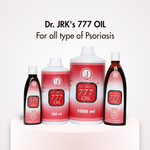
For people searching for psoriasis treatment, it is helpful to understand where moisturization fits into the routine. A lotion may be useful for daily body hydration, a thicker cream may suit very dry patches and an oil such as Dr. JRK’s 777 Oil may be used before bath as supportive care for dry, scaly areas when directed.

Why Moisturization Matters in Psoriasis-Prone Skin
Psoriasis-prone skin often loses moisture faster than normal skin. When the skin becomes too dry, plaques may feel harder, tighter, and more uncomfortable. Dryness can also increase the urge to scratch, which may further irritate the skin.
Moisturization helps by supporting the skin surface. It keeps the skin feeling softer and reduces the dry, stretched feeling that many people notice after bathing.
A good moisturization routine may help:
- Reduce skin tightness
- Support dry skin comfort
- Make rough areas feel softer
- Reduce dryness-related itching
- Support the skin barrier
- Improve comfort under clothing
- Make daily psoriasis treatment easier to follow
Moisturization is not a replacement for medical treatment. But it is one of the simplest daily habits that can support psoriasis-prone skin.
Moisturizer, Lotion, Body Lotion and Oil: What Is the Difference?
Many people get confused between moisturizer, lotion, body lotion, and oil. Each one has a different role.
- Moisturizer is the broad category. It includes lotions, creams, ointments, balms, and oils that help reduce dryness.
- Lotion is usually lighter in texture. It spreads easily and is often preferred for daily use on large body areas.
- Body lotion is a lotion made for arms, legs, backs, and other body parts. It is useful when dryness is spread across larger areas.
- Oil is different from lotion. It is often used before a bath or on dry areas to soften the skin surface and support comfort.
For psoriasis-prone skin, the right choice depends on the affected area, dryness level, season, and personal comfort.
When Should You Use Lotion for Psoriasis-Prone Dry Skin?
A lotion can be useful when the skin needs regular moisture support but does not tolerate heavy or sticky products well. Many people skip moisturization because thick products feel uncomfortable. In such cases, a lighter lotion may help build consistency.
A lotion may be suitable for:
- Mild to moderate dryness
- Daily full-body use
- Dry legs and arms
- Post-bath care
- Warm or humid weather
- People who dislike greasy textures
- All type of skin that needs light hydration support
If plaques are very thick, cracked, or severely dry, a richer cream or doctor-recommended treatment may be needed.
When Does Skin Need a Thicker Moisturizer?
Some areas of psoriasis-prone skin need stronger moisture support. Dry elbows, knees, heels, hands, or rough plaques may not feel comfortable with a very light lotion alone.

The best approach is often flexible. You can use lotion for larger body areas and a thicker product for very dry patches.
Where Dr. JRK’s 777 Oil Fits in the Routine
Dr. JRK’s 777 Oil should not be explained like a regular body lotion. It has a different role in psoriasis care. It may be used as a supportive oil before bath for dry, scaly areas when directed.
A simple way to understand the difference:
- 777 Oil: pre-bath support for dry, scaly psoriasis-prone areas
- Lotion/body lotion: post-bath hydration for daily comfort
- Thicker moisturizer: extra support for very dry patches
- Dermatologist treatment: needed for moderate, severe, spreading, or painful psoriasis
This makes the routine more practical. Instead of depending on one product for everything, each step has a clear purpose.
Benefits of Moisturization for Psoriasis-Prone Skin
Regular moisturization plays an important role in supporting the care of psoriasis-prone skin and improving everyday comfort.
Key benefits include:
- Reduces post-bath tightness: Helps the skin feel more comfortable after bathing.
- Supports the skin barrier: Helps maintain the skin's natural moisture barrier, reducing dryness and feelings of tightness.
- Softens rough, dry areas: Regular moisturization can improve skin texture and make dry patches feel smoother.
- Helps reduce the urge to scratch: Well-moisturized skin is less likely to feel dry and uncomfortable.
- Encourages consistent skincare: Products that are comfortable to apply are more likely to be used regularly.
- Improves comfort under clothing: Softer, hydrated skin may experience less friction-related discomfort from fabrics.
- Suitable for different skin needs: Various formulations and textures can be selected based on individual skin type, preference and comfort.
The goal is simple: keep the skin comfortable enough to follow care regularly.
How Moisturization Works on Psoriasis-Prone Skin
Moisturizers and lotions work mainly by helping the skin hold water and reducing moisture loss. When used after bath, they help seal in the moisture left on the skin surface.
Oil-based care works differently. It can help soften dry surface scales before cleansing. This may make bathing feel gentler and reduce the need for harsh rubbing.
A practical routine may include both:
- Use an oil before bath if advised.
- Cleanse gently with lukewarm water.
- Pat dry instead of rubbing.
- Apply lotion or moisturizer while the skin is slightly damp.
- Reapply when the skin feels dry.
This approach supports both softening and hydration.
How to Use Moisturizer, Lotion or Body Lotion Correctly
Using moisturizer correctly is just as important as choosing the right product.
Follow this simple routine:
- Bathe with lukewarm water.
- Avoid harsh soaps and aggressive scrubbing.
- Pat the skin dry gently.
- Apply moisturizer or body lotion within a few minutes.
- Use extra care on dry areas like elbows, knees, hands, and legs.
- Reapply during the day if the skin feels dry.
- Continue even when the skin feels better.
If using Dr. JRK’s 777 Oil, apply it before bath as directed. After bathing, use a suitable moisturizer or lotion if the skin needs added hydration support.
Common Moisturization Mistakes to Avoid
Small mistakes can make dry skin worse.
Avoid these habits:
- Waiting too long after bath to apply lotion
- Using very hot water
- Scrubbing plaques strongly
- Applying lotion only once a week
- Using fragrance-heavy products on sensitive skin
- Choosing a very sticky product and then skipping it
- Ignoring dry areas under clothing
- Peeling scales forcefully
- Applying products on infected or bleeding skin without advice
- Stopping dermatologist-recommended treatment
Moisturization works best when it is gentle, regular and matched to your skin’s needs.
How to Build a Simple Moisturization Routine
A psoriasis-friendly routine does not have to be complicated.
Before bath
- Apply Dr. JRK’s 777 Oil on dry, scaly areas if advised.
- Leave it for the recommended time.
- Avoid scratching or peeling.
During bath
- Use lukewarm water.
- Keep bath time short.
- Avoid harsh soaps.
- Do not scrub plaques.
After bath
- Pat dry gently.
- Apply lotion or moisturizer while skin is slightly damp.
- Wear soft, breathable clothes.
During the day
- Reapply lotion if skin feels dry.
- Avoid friction from tight clothing.
- Keep hands and legs moisturized.
This kind of simple routine is easier to follow long term.
Book Online Appointment of our Skin and Hair Expert Consultation

When Should You Seek Medical Advice?
Moisturization supports comfort, but psoriasis can still need professional care. See a dermatologist if:
- Plaques spread quickly
- Skin cracks or bleeds
- Itching affects sleep
- There is pain, swelling, or infection
- Scalp psoriasis becomes difficult to manage
- You notice joint pain or stiffness
- Dryness does not improve with regular care
- You are pregnant, breastfeeding, or using other medicines
Psoriasis treatment should be personalized based on severity, affected area, and overall health.
Conclusion
Moisturization is one of the simplest and most useful habits in psoriasis care. It helps reduce dry skin discomfort, supports the skin barrier, and makes plaques feel less tight and rough.
A moisturizer, lotion, body lotion, or oil can each play a role depending on the skin’s condition. Lotion may be useful for daily body care, thicker moisturizers may suit very dry patches, and Dr. JRK’s 777 Oil may be included as supportive pre-bath care for scaly areas when directed.
For the best results, keep the routine gentle, avoid harsh habits, and stay consistent. Explore Dr. JRK’s 777 Oil as part of a psoriasis care routine and choose suitable hydration support for your skin’s daily comfort.
Frequently Asked Questions
Moisturization helps reduce dryness, tightness, roughness, and dryness-related itching. It supports skin comfort and can make daily psoriasis care easier to follow.
Apply moisturizer or body lotion soon after bathing, while the skin is slightly damp. Reapply whenever the skin feels dry or tight.
A gentle body lotion can suit many skin types. If the skin is cracked, infected, very sensitive, or actively inflamed, ask a dermatologist before use.
Dr. JRK’s 777 Oil is an oil used in psoriasis care, especially as a supportive pre-bath step for dry, scaly areas. A lotion or moisturizer may still be needed after bath for hydration support.