
Psoriasis is a chronic inflammatory disease of the skin that affects daily comfort and quality of life. Symptoms include thickened skin, scaling, dryness, redness and itching. It is usually in flare-ups and remission so it requires regular skin care management.
Topical skin care, especially oils made with botanical ingredients, can provide some supportive benefits to those with psoriasis, along with professional treatments. It’s important to understand the capabilities and limitations of herbal oils when you’re using them as part of your psoriasis skin care routine.
Psoriasis Skin Need Special Care
Healthy skin also makes and sheds skin cells in a controlled cycle. In psoriasis this process is abnormally rapid because of immune-mediated inflammation. New skin cells build up on the surface and the older cells are shed naturally. This leads to the characteristic scales and plaques.
Psoriasis-affected skin may therefore experience:
- Dryness and roughness
- Visible scaling and flaking
- Redness
- Itching
- Tight or uncomfortable-feeling skin
- Cracking in particularly dry areas
The skin barrier can also be compromised. So living with psoriasis means dealing with more than just the visible scales. It is also important to keep the skin adequately moisturized, and to treat it gently.
Where Does an Oil for Psoriasis Fit into Skin Care?
Adding an oil for psoriasis to a topical skin-care routine can provide emollient care for dry, scaly areas. Oils create an occlusive barrier on the skin that prevents water loss and improves the texture of the skin. The right oils will soften scales and make them easier to work with. However, not all oils are suitable for psoriasis treatment, the formulation and the scientific evidence behind it are important in selecting a product, to distinguish between specialized treatments and common household oils.
Herbal Oils and Ingredients in Psoriasis Care
- Plants and plant oils have traditionally been used in medicine to care for skin. Modern research has looked at the use of particular botanicals in inflammatory and hyperproliferative skin diseases.
- A notable example is Wrightia tinctoria, which has been explored for the management of psoriasis and incorporated into specialized topical formulations.
- Consumers should be aware of the specific botanical, its concentration and the formulation, particularly in the case of psoriasis, which requires more targeted care than standard cosmetic moisturization.
The Importance of the Oil Base
- When choosing an oil for psoriasis treatment, it's essential to take into account not only the active botanical ingredients but also the oil base, which greatly influences the skin-care experience.
- Coconut oil is a popular emollient that conditions the skin and helps to lock in moisture in dry patches.
- When a psoriasis product is well-formulated, the botanical elements and the oil base can work synergistically together.
- This combination is especially helpful for those with dry, scaly skin. It allows users to combine a targeted treatment and a hydrating product in their daily skincare routine.
Dr. JRK’s 777 oil for psoriasis care
- An oil for psoriasis is generally used as part of psoriasis treatment to moisturize dry, scaly areas and improve skin comfort. The formulation and its intended use should be considered while choosing, rather than selecting an oil based on texture or fragrance.
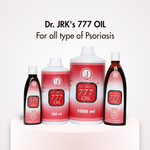
- Dr. JRK’s 777 Oil is a steroid-free, anti-inflammatory and anti-scaling oil developed for psoriasis management. It combines: Wrightia tinctoria + Coconut Oil.
- Wrightia tinctoria has been clinically proven for its role in psoriasis management, while the oil base supports moisturization of dry, scaly skin.
- Together, the formulation is intended to address important psoriasis concerns including scaling, itching, redness, inflammation and dryness.
- A routine is easier to maintain when it fits naturally into everyday activities. Using an oil for psoriasis before the morning bath is one way to make skin care a regular habit.
Step 1: Apply Dr. JRK’s 777 Oil for psoriasis on the psoriasis-affected areas in the morning. Spread it gently don't rub hard or try to pull off scales with your fingers.
Step 2: Expose the area to sunlight for 10 minutes (optional). Don’t get sunburned.
Step 3: Wash gently while bathing with psorolin derma skincare soap (PDSS). Use lukewarm water and don’t scrub too hard, or else the skin can get drier and more irritated.
Step 4: After bathing, pat the skin dry with a soft towel. Rubbing vigorously can irritate psoriasis-affected skin unnecessarily.

Herbal Does Not Mean Every Oil Works the Same Way
Natural and herbal skin care is becoming increasingly popular, and oils that allegedly treat various skin conditions are proliferating. However, the term “herbal” does not by itself establish efficacy for psoriasis.
A better way to evaluate an oil is to ask:
- What botanical ingredients does it contain?
- Is the formulation specifically intended for psoriasis?
- Has the finished formulation been scientifically or clinically evaluated?
- Does it provide appropriate moisturization?
- Are clear usage directions available?
- Is it suitable for ongoing use as advised?
This approach makes it easier to distinguish specialized psoriasis formulations from general-purpose cosmetic oils.
Oil is a Part of Psoriasis Management
- Psoriasis varies greatly in severity and presentation from person to person and topical oil is just one part of managing it.
- Some have localized plaques, while others have extensive disease, which may involve the scalp, nails, and joints.
- Medical evaluation is necessary in severe cases or when joint symptoms develop. Simple daily habits such as gentle bathing, regular moisturizing, sun protection, avoiding injuries to the skin and being aware of personal triggers can also enhance the prescribed treatments.
Choosing the Right Oil for Psoriasis
- In the case of selecting an oil for psoriasis, it’s not just about natural or moisturizing properties. Psoriasis is an inflammatory, immune-mediated disease that requires targeted management.
- The 777 Oil of Dr. JRK is a special herbal preparation of Wrightia tinctoria and coconut oil with anti-scaling, anti-inflammatory and moisturizing properties in a non-steroidal preparation.
- Proper psoriasis care requires knowledge of psoriasis, how to treat it gently, consistency, and the right products to use. If symptoms persist, it’s important to seek professional medical advice to determine the best treatment and skincare routine.
Conclusion
Oils can be beneficial in a psoriasis skin-care routine when formulated specifically for the involved skin. It’s important to pick oils that not only moisturize but also consider ingredients, formulation, and scientific backing. One good option is Dr. JRK’s 777 Oil, which is made with Wrightia tinctoria and coconut oil. Clinically proven to help manage psoriasis, this non-steroid oil works to reduce inflammation and scaling. You’ll need to use these oils on a regular basis, in addition to gentle cleansing, moisturization, and professional guidance, to establish a consistent and effective long-term psoriasis management routine.
Frequently asked questions (FAQs)
1) What is the role of an oil for psoriasis?
A psoriasis oil can be incorporated into a regular psoriasis skincare regimen, giving special attention to dry, scaly skin and maintaining moisturization. Its precise role depends on the ingredients and the formulation employed.
2) Is Dr. JRK’s 777 Oil clinically proven for psoriasis?
Yes. Dr. JRK’s 777 Oil is a clinically proven, steroid-free, anti-inflammatory and anti-scaling oil formulated specifically for psoriasis management.
3) What are the key ingredients in Dr. JRK’s 777 Oil?
Dr. JRK’s 777 Oil is made up of Wrightia tinctoria and coconut oil. Wrightia tinctoria provides specific treatment for psoriasis and coconut oil hydrates and conditions dry skin.
4) Is Dr. JRK’s 777 Oil a steroid-based product?
No. Dr. JRK’s 777 Oil is a steroid-free formulation developed for psoriasis management.
5) Can psoriasis return after the skin becomes clear?
Yes. Psoriasis is a long-term condition that can flare up between times when it gets better. Even when visible symptoms improve, it is important to continue with an appropriate skin-care routine and follow professional advice.
6) Can weather changes affect psoriasis-affected skin?
Some people find their psoriasis changes with the weather. Things like cold or dry weather can specifically make dry skin worse, so it's important to moisturize regularly and be consistent with skin care.
7) Why is moisturization important in psoriasis care?
Regular moisturization can keep dry psoriasis-affected skin softer and more comfortable while supporting the skin barrier. It is an important part of everyday psoriasis skin care.