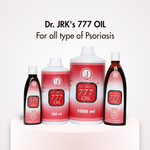

Scalp psoriasis can be uncomfortable and difficult to manage. The flakes, itching, dryness, thick scales and irritation can make daily hair care challenging. Sometimes, it may even be confused with dandruff, but scalp psoriasis usually causes thicker, more stubborn scales and recurring discomfort.
A simple and consistent routine can help make scalp psoriasis easier to manage. One helpful step in scalp care is using an oil for psoriasis before washing the hair. A suitable psoriasis oil can help soften scales, reduce dryness and prepare the scalp for gentle cleansing.
This guide explains how scalp psoriasis happens, how psoriasis oil supports care, and how products like 777 Oil may fit into a scalp psoriasis treatment routine.
What is Scalp Psoriasis?
Scalp psoriasis is a form of psoriasis that affects the scalp. It happens when skin cells multiply faster than normal, causing thick patches and scales to build up on the scalp.
It may appear in small patches or cover larger areas of the scalp. In some people, the scales may extend beyond the hairline to the forehead, back of the neck or behind the ears.
Common signs of scalp psoriasis include:
- Thick white or silvery scales
- Dry and flaky scalp
- Itching or irritation
- Red or inflamed patches
- Scalp tightness
- Flakes falling on shoulders
- Rough patches near the hairline
- Burning or discomfort in severe cases
Scalp psoriasis is not contagious, but it can be persistent. That is why regular care is important.
Scalp Psoriasis vs Dandruff: What’s the Difference?

If the flakes are thick, recurring or associated with red patches, it is better to consult a dermatologist for proper diagnosis.
Why Scalp Psoriasis Needs Gentle Care
Scalp psoriasis can become worse when the scalp is scratched, rubbed harshly or treated with strong products. Trying to forcefully remove scales can damage the skin and increase irritation.
A good scalp psoriasis treatment routine should focus on:
- Softening thick scales
- Reducing dryness
- Calming itching
- Avoiding harsh scratching
- Cleansing the scalp gently
- Supporting scalp comfort
- Maintaining consistency
This is where using an oil for psoriasis can be helpful.
How Oil for Psoriasis Helps Scalp Psoriasis
Oil-based scalp care can support psoriasis-prone skin in a simple way. When applied before washing, oil helps soften dry and thick scales so they can loosen more gently.
A good oil for psoriasis may help:
- Soften stubborn scalp scales
- Reduce dryness and roughness
- Support relief from itching
- Make cleansing easier
- Reduce the need for harsh scrubbing
- Improve scalp comfort
- Support a regular psoriasis treatment routine
Oil does not replace medical treatment, but it can be a useful support step in daily or weekly scalp care.
Best oil for psoriasis treatment

Why Use 777 Oil for Scalp Psoriasis Care?
777 Oil is a topical oil used in psoriasis care. It can be included in a scalp psoriasis routine to help manage scaling, dryness and discomfort.
For scalp psoriasis, 777 Oil may help support:
- Scale softening
- Dryness relief
- Scalp comfort
- Pre-wash scalp preparation
- Gentle scalp cleansing
- Routine-based psoriasis care
Because scalp psoriasis scales can be thick and difficult to remove, using an oil before washing may help reduce the need for forceful rubbing.
How to Use Oil for Scalp Psoriasis Treatment
Use any psoriasis oil, including 777 Oil, as directed on the label or as advised by your physician.

What to Avoid in Scalp Psoriasis
Some habits can make scalp psoriasis worse. Try to avoid:
- Scratching with nails
- Forcefully peeling scales
- Using very hot water
- Harsh shampoos
- Strong fragrances
- Tight hairstyles
- Excessive heat styling
- Rough towel drying
- Leaving sweat and buildup on the scalp for too long
Gentle care is the key. The scalp needs support, not aggression.
Best Shampoo for psoriasis treatment

Daily Tips for Managing Scalp Psoriasis
Keep the scalp clean
A clean scalp helps reduce buildup. Wash your hair as advised based on your scalp condition and product routine.
Do not pick scales
Picking scales can injure the scalp and increase irritation. Let the oil soften them naturally before washing.
Use lukewarm water
Hot water can increase dryness and itching. Lukewarm water is safer for psoriasis-prone scalp.
Choose gentle hair products
Use mild, scalp-friendly shampoos. Avoid harsh cosmetic products that may irritate the scalp.
Manage stress
Stress may trigger psoriasis flare-ups in some people. Sleep, breathing exercises, walking or yoga may help support better overall skin health.
Protect the scalp
Avoid sunburn, harsh weather exposure and strong chemical treatments when the scalp is irritated.
Stay regular with care
Scalp psoriasis improves better with a consistent routine. Irregular care may allow scales and dryness to return.
Can Oil for Psoriasis Help with Itching?
Itching is one of the most uncomfortable symptoms of scalp psoriasis. Dry, thick scales can make itching worse.
Using an oil for psoriasis may help reduce dryness-related itching by softening the scalp and supporting comfort. However, if itching is severe, painful or associated with bleeding or infection, consult a dermatologist.
Can Scalp Psoriasis Cause Hair Fall?
Scalp psoriasis itself does not always cause permanent hair loss. However, heavy scratching, pulling scales, inflammation or harsh treatments may lead to temporary hair shedding or breakage.
To protect your hair:
- Avoid scratching
- Do not pull out scales
- Use gentle hair care products
- Avoid tight hairstyles
- Treat scalp inflammation early
- Follow medical advice if hair fall increases
A gentle scalp psoriasis treatment routine can help reduce unnecessary scalp trauma.
When Should You See a Dermatologist?
You should consult a dermatologist if:
- Scalp psoriasis spreads quickly
- Itching becomes severe
- Scalp cracks or bleeds
- There is pain, swelling or infection
- Hair fall becomes sudden or heavy
- Scales are very thick and difficult to manage
- Home care is not helping
- You have psoriasis on other body areas
- You experience joint pain or stiffness
A dermatologist can suggest the right psoriasis treatment based on severity and scalp condition.
Book an Appointment with our Expert

Simple Scalp Psoriasis Routine with Oil
Here is a simple routine you can follow if suitable for your scalp:
Before hair wash
- Apply an oil for psoriasis such as 777 Oil on affected scalp areas
- Leave it on as directed
- Avoid scratching or peeling scales
During wash
- Use lukewarm water
- Apply gentle shampoo
- Massage with fingertips only
- Rinse thoroughly
After wash
- Pat dry gently
- Avoid strong heat styling
- Apply any doctor-recommended product if needed
This routine helps support scalp comfort without overcomplicating care.
Final Thoughts
Scalp psoriasis can be frustrating, especially when flakes, itching and thick scales keep returning. But with the right approach, it can be managed better.
Using an oil for psoriasis before washing can be a helpful step in scalp psoriasis treatment. It helps soften scales, reduce dryness, support scalp comfort and make cleansing gentler.
Products like 777 Oil can be included as part of a regular psoriasis care routine for scalp and skin support. For best results, use consistently and follow your dermatologist’s advice when needed.
FAQs
1. What is the best oil for scalp psoriasis?
A good oil for scalp psoriasis should help soften scales, reduce dryness and support scalp comfort. 777 Oil can be used as part of a scalp psoriasis care routine, as directed by the product label or physician.
2. How does oil for psoriasis help scalp psoriasis?
Oil for psoriasis helps soften thick scalp scales, reduce dryness and prepare the scalp for gentle cleansing. This can make scalp psoriasis easier to manage.
3. Can I scratch or remove scalp psoriasis scales after applying oil?
No. Avoid scratching or forcefully removing scales. Oil helps soften scales naturally, but harsh picking may injure the scalp and worsen irritation.
4. How often should I use oil for scalp psoriasis?
Use it as directed on the label or as advised by your doctor. The frequency may vary depending on the severity of scalp psoriasis and your overall treatment routine.