
When psoriasis suddenly becomes itchy, red, scaly, or uncomfortable, most people first look at skincare products. That is important, but food choices may also influence how the body feels during a flare-up. Diet does not cure psoriasis, and one food does not trigger everyone. Still, some people notice that certain foods make their psoriasis symptoms feel worse.
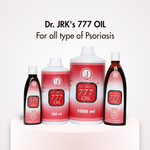
During an active flare, the goal is not to follow an extreme diet. The better approach is to reduce foods that may increase inflammation, irritate digestion, or make flare tracking difficult. This can support your overall psoriasis treatment plan along with dermatologist guidance, gentle cleansing, suitable soap, scalp care shampoo, moisturization, and external care such as Dr.JRK’s 777 Oil when used as directed.
This blog explains which foods are commonly reduced during psoriasis flare-ups, how to observe your personal triggers, and how diet fits into a complete psoriasis care routine.
Why Food Choices Matter During Psoriasis Flare-Ups
Psoriasis is an immune-related inflammatory skin condition. Because inflammation plays a role, many people look for food habits that may support better overall wellness. The American Academy of Dermatology notes that more research is needed to know exactly how diet affects psoriasis, but healthy diet changes may support overall health and treatment plans.
Food choices matter during a flare because they can affect:
- Body weight
- Energy levels
- Digestive comfort
- Inflammation-related health
- Blood sugar balance
- Alcohol intake
- Sleep quality
- Overall treatment consistency
The key is balance. Avoid crash diets, fear-based food restrictions, and unsupported “psoriasis cure diet” claims.
Foods High in Added Sugar
Sugary foods may not directly cause psoriasis, but excess sugar can affect weight, energy, and metabolic health. During a flare, reducing added sugar may help you keep your diet cleaner and easier to track.
Try to reduce:
- Sweets
- Cakes and pastries
- Sugary tea or coffee
- Soft drinks
- Packaged juices
- Sweetened cereals
- Desserts after every meal
A practical swap is to choose fruits, nuts, or unsweetened drinks when cravings appear.
Highly Processed and Packaged Foods
Highly processed foods are often high in refined flour, salt, added sugar, unhealthy fats, and preservatives. They may also make it harder to identify which food is affecting your skin because one packaged item can contain many ingredients.
During flare-ups, limit:
- Chips
- Instant noodles
- Bakery snacks
- Fried packaged snacks
- Processed frozen meals
- Sugary biscuits
- Fast food meals
- Processed sauces
Instead, keep meals simple: rice or millet, dal, vegetables, curd if tolerated, lean protein, and home-cooked food.
Fried and Oily Foods
Fried foods can feel heavy during a flare and may affect digestion and overall wellness. Many people also notice that oily fast food is linked with poor sleep, acidity, or sluggishness, which can indirectly affect skin comfort.
Reduce:
- Deep-fried snacks
- Reheated oil foods
- Fast food fries
- Fried chicken
- Pakoda, bajji, and similar snacks
- Very oily gravies
This does not mean all fats are bad. Healthy fats from nuts, seeds, fish, or suitable oils can still be part of a balanced diet.
Alcohol During Psoriasis Flare-Ups
Alcohol is one of the most important items to avoid or reduce during psoriasis flare-ups. Mayo Clinic lists heavy alcohol consumption as a psoriasis trigger, and it also notes that smoking may increase psoriasis severity.
Alcohol may also disturb sleep, increase dehydration, affect medication safety, and make it harder to follow a routine.
During active flare days, it is better to avoid:
- Beer
- Wine
- Spirits
- Cocktails
- Binge drinking
- Alcohol with spicy or fried food
If you are taking psoriasis medication, ask your doctor whether alcohol should be fully avoided.
Red Meat and Processed Meat
Some people with psoriasis choose to reduce red meat and processed meat during flare-ups because these foods may be heavy and are often part of a higher-calorie, lower-fiber diet pattern.
Limit:
- Sausages
- Salami
- Bacon
- Processed meat patties
- Frequent red meat meals
- Heavily spiced meat dishes
You can replace them with lighter protein choices such as dal, sprouts, eggs if tolerated, fish, chicken, paneer, tofu, or legumes depending on your diet preference.
Refined Carbohydrates
Refined carbohydrates digest quickly and may affect blood sugar and weight management when eaten frequently. During flare-ups, it is useful to reduce foods made mostly with refined flour.
Reduce:
- White bread
- Maida-based snacks
- Sweet buns
- Noodles
- Pizza base
- Bakery items
- Sugary breakfast foods
Better options include whole grains, millets, oats, brown rice, vegetables, and fiber-rich foods.
Gluten: Should Everyone Avoid It?
Not everyone with psoriasis needs to avoid gluten. A gluten-free diet may be helpful only for selected people, especially those with celiac disease or gluten sensitivity. The AAD advises that dietary decisions should be made with medical support so the diet still meets individual needs and works with treatment plans.
Consider speaking to a doctor if you notice symptoms like:
- Bloating after wheat
- Loose stools
- Stomach pain
- Fatigue
- Family history of celiac disease
- Flare pattern after gluten-heavy meals
Do not remove gluten permanently without a reason, because unnecessary restrictions can reduce diet quality.
Dairy: Observe, Do Not Assume
Dairy is another food group where personal response varies. Some people tolerate milk, curd, paneer, or buttermilk well. Others may feel digestive discomfort after dairy.
During a flare, observe your body rather than assuming dairy is always bad.
Track:
- Does itching increase after dairy?
- Do you feel bloated?
- Does scalp flaking feel worse?
- Is the reaction consistent or occasional?
If dairy seems to be a trigger, discuss it with a healthcare professional before long-term restriction.
Spicy Foods and Flare Discomfort
Spicy food does not trigger everyone. However, very spicy meals may increase sweating, heat sensation, acidity, or skin discomfort in some people. During active flare days, it may help to reduce very spicy meals and choose simpler food.
Limit temporarily:
- Very spicy gravies
- Excess chilli powder
- Spicy fried snacks
- Pickles in excess
- Hot sauces
This is especially useful if sweating and skin folds are becoming irritated.
Benefits of Avoiding Trigger Foods During Flare-Ups
Reducing possible trigger foods during a flare can help you understand your skin better.
Key benefits include:
- Better flare tracking: You can identify patterns more clearly.
- Improved routine control: Simple meals make symptoms easier to observe.
- Support for weight management: A balanced diet may support overall psoriasis care.
- Less digestive discomfort: Simple foods may feel easier during flare days.
- Better sleep support: Avoiding alcohol, sugar, and heavy meals may improve rest.
- More confident food choices: You learn what your body tolerates.
Food changes are supportive. They should not replace medical psoriasis treatment.
How Diet Works Alongside Psoriasis Treatment Products
Food care works from the inside by supporting general health, while topical products support the skin externally. These two approaches have different roles.
A balanced flare routine may include:
- Simple, home-cooked meals
- Avoiding alcohol and highly processed foods
- Gentle soap for body cleansing
- Suitable shampoo for scalp care
- Moisturizer for dry skin comfort
- Oil for psoriasis such as Dr.JRK’s 777 Oil
- Dermatologist-recommended treatment when needed
The best psoriasis treatment products should be selected based on symptoms, affected area, severity, and professional advice.
Best Psoriasis treatment products

Track Psoriasis Flare Patterns
Instead of relying on guesswork, keep track of daily habits and symptoms for 2–4 weeks. Recording these details can help identify recurring patterns that may be associated with psoriasis flare-ups.

After 2–4 weeks, review the records for recurring patterns. A single reaction does not necessarily indicate a trigger. Consistent patterns observed over time are more useful and can be discussed with a healthcare professional to better understand possible flare triggers.
Common Mistakes to Avoid
Avoid these mistakes during psoriasis flare-ups:
- Blaming one food without tracking
- Following extreme diets without guidance
- Removing major food groups unnecessarily
- Replacing meals with supplements
- Ignoring alcohol as a trigger
- Eating “healthy” but skipping medication
- Using diet as a replacement for psoriasis treatment
- Forgetting scalp care shampoo and gentle soap routine
- Overusing oil on irritated or infected skin
- Not consulting a doctor for severe symptoms
A steady routine is safer than sudden, strict restrictions.
Book our online expert consultation

Conclusion
Foods do not cause psoriasis for everyone, and diet cannot cure it. Still, during flare-ups, reducing alcohol, processed foods, added sugar, fried foods, refined carbohydrates, and personal trigger foods may support better overall care.
The smartest approach is to observe, not over-restrict. Keep meals simple, track your symptoms, and notice repeated patterns. At the same time, continue external skin support with gentle soap, suitable shampoo, moisturizer, and an oil for psoriasis like Dr.JRK’s 777 Oil when used as directed.
Frequently Asked Questions
1. What foods should I avoid during psoriasis flare-ups?
During flare-ups, many people reduce alcohol, sugary foods, fried foods, processed foods, refined carbohydrates, and very spicy foods. Personal triggers can vary, so tracking is important.
2. Can diet alone control psoriasis?
No. Diet alone cannot control psoriasis. A balanced, nutritious diet supports overall health and may help some people identify or reduce potential flare triggers. However, psoriasis management should include appropriate medical care and guidance from a healthcare professional when needed.
3. Is alcohol bad for psoriasis symptoms?
Alcohol can be a trigger for some people, and heavy alcohol use is listed as a psoriasis trigger by Mayo Clinic. It is better to avoid alcohol during active flare-ups.
4. Should people with psoriasis avoid gluten?
Not everyone with psoriasis needs to avoid gluten. A gluten-free diet may be considered for individuals with celiac disease, gluten sensitivity, or a consistent pattern of flare-ups following gluten consumption.
5. Can shampoo and soap affect psoriasis flare-ups?
Yes. Harsh soap, strong fragrance, unsuitable shampoo, and aggressive scrubbing may irritate psoriasis-prone skin or scalp. Use gentle cleansing and dermatologist-advised products.
6. How does Dr.JRK’s 777 Oil fit into psoriasis care?
Dr.JRK’s 777 Oil may be used externally as an oil for psoriasis when directed. It can support dry, scaly areas as part of a broader routine that includes diet awareness, gentle cleansing, moisturization, and medical advice.