
Plaque psoriasis is one of the most common forms of psoriasis, but many people still confuse it with simple dryness, dandruff, allergy, or fungal infection. The patches may look like dry skin at first, but over time they can become thicker, scaly, itchy, and uncomfortable.
For anyone looking for psoriasis treatment, the first step is understanding what plaque psoriasis looks like and how daily habits can influence skin comfort. While psoriasis cannot be handled with one simple lifestyle change, a consistent routine can help reduce day-to-day discomfort and support better skin care.
This blog explains plaque psoriasis in a simple way: how it appears, what can trigger flare-ups, how to care for plaques without irritating the skin, and when to seek medical advice. It also explains where an oil for psoriasis, such as Dr.JRK’s 777 Oil, can fit into a broader care routine without making exaggerated claims.
What Makes Plaque Psoriasis Different?
Plaque psoriasis usually appears as clearly visible patches of thickened skin. These patches are often dry, rough, and covered with whitish or silvery scales. Unlike ordinary dry skin, plaque psoriasis tends to return in the same areas and may become worse during flare-ups.
Common areas include:
- Elbows
- Knees
- Scalp
- Lower back
- Legs
- Hands and feet
- Around the ears or hairline
A simple way to understand plaque psoriasis is this: the skin renewal process becomes too fast, causing skin cells to collect on the surface instead of shedding normally. This buildup creates plaques.
Early Signs That Should Not Be Ignored
Plaque psoriasis may begin mildly. Some people notice only a small rough patch, while others experience itching and scaling together.
Watch for signs such as:
- A dry patch that does not improve with regular moisturizer
- Flaking that keeps returning
- Thickened skin with visible scales
- Itching around plaques
- Rough patches on both elbows or both knees
- Scalp flakes that feel thick or stuck
- Cracks in dry areas during flare-ups
These symptoms do not always mean psoriasis, but if they keep coming back, it is better to consult a dermatologist.

Why Plaque Psoriasis Can Feel Worse on Some Days
Plaque psoriasis can change from week to week. A patch that feels calm today may become itchy or rough later. This is why people often feel frustrated with the condition.
Common reasons for worsening include:
- Stress
- Lack of sleep
- Scratching
- Skin injury
- Harsh soaps
- Very hot baths
- Dry weather
- Sweating and friction
- Infections
- Irregular skincare routine
Understanding personal triggers is an important part of psoriasis treatment. Not everyone has the same triggers, so observing skin changes can help.
Daily Care Goals for Plaque Psoriasis
Daily care should not be aggressive. The goal is to support the skin gently and avoid actions that make plaques more irritated.

How an Oil for Psoriasis Can Support Plaque Care
An oil for psoriasis can be useful when plaques feel dry, hard, or scaly. Oil-based care may help soften the surface of rough plaques before bathing, making cleansing more comfortable.
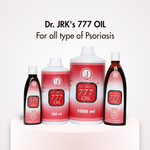
This is where Dr.JRK’s 777 Oil may be included as a supportive topical step. Instead of using it as a standalone promise, it should be positioned as part of a routine that includes gentle bathing, moisturization, trigger control, and dermatologist guidance.
Dr.JRK’s 777 Oil is known as a psoriasis care oil and can be used externally as directed. It may help support plaque softening and skin comfort when used regularly as part of a suitable care plan.
Simple Plaque Psoriasis Care Routine
A routine does not need to be complicated. A simple, repeatable plan is easier to follow.
Before bath
- Apply a suitable oil for psoriasis on rough or scaly patches if advised.
- Leave it for the recommended time.
- Avoid scratching or peeling plaques.
During bath
- Use lukewarm water.
- Avoid strong soaps and harsh scrubbing.
- Cleanse gently.
After bath
- Pat dry with a soft towel.
- Apply moisturizer or recommended topical care.
- Wear soft, breathable clothing.
This type of routine helps reduce unnecessary skin irritation.
Scalp Plaque Psoriasis Care
Plaque psoriasis on the scalp can be especially uncomfortable because scales may get trapped in the hair. Many people mistake it for dandruff, but scalp psoriasis usually feels thicker and more stubborn.
Helpful care tips include:
- Do not scratch with nails
- Avoid forcefully lifting scales
- Apply oil gently before washing if advised
- Use a suitable scalp cleanser
- Rinse properly
- Avoid strong heat styling
- Keep combs and towels clean
If scalp plaques become painful, infected, or associated with heavy hair fall, medical advice is important.
Common Mistakes to Avoid
Many people try to manage plaque psoriasis at home but accidentally make irritation worse.
Avoid these common mistakes:
- Scrubbing plaques during bath
- Peeling scales forcefully
- Using hot water
- Skipping moisturizer
- Changing products too frequently
- Using strong fragrance-based products
- Ignoring scalp symptoms
- Stopping care once patches look better
- Using steroid creams without doctor advice
- Delaying consultation when plaques spread
Psoriasis care needs patience. Gentle consistency works better than aggressive treatment.
Book an Appointment with our Expert

When Medical Support Is Needed
Daily care can support mild discomfort, but some symptoms need medical attention.
Consult a dermatologist if:
- Plaques spread quickly
- Skin cracks or bleeds
- Itching affects sleep
- There is pain, swelling, or pus
- Scalp symptoms become severe
- You notice joint pain or stiffness
- Over-the-counter care is not helping
- You are pregnant, breastfeeding, or using other medicines
Psoriasis severity varies from person to person, so the right psoriasis treatment plan should be personalized.
Benefits of a Consistent Plaque Care Routine
A regular routine can help people manage plaque psoriasis more comfortably.
Key benefits include:
- Better control over dryness
- Less roughness and tightness
- More comfortable bathing
- Reduced urge to scratch
- Better skin barrier support
- Easier monitoring of triggers
- Improved confidence in daily care
Consistency matters more than using many products.
Conclusion
Plaque psoriasis can be uncomfortable, but understanding the condition helps make daily care easier. The key is to recognize early signs, avoid harsh habits, protect the skin barrier, and follow a consistent routine.
An oil for psoriasis, such as Dr.JRK’s 777 Oil, can be included as a supportive step for dry, scaly plaques when used correctly. However, psoriasis care works best when combined with gentle cleansing, moisturization, trigger awareness, and professional medical guidance.
For people searching for psoriasis treatment, the most practical approach is not one single step. It is a steady routine that supports skin comfort every day.
FAQs
1. What does plaque psoriasis look like?
Plaque psoriasis usually looks like raised, dry, thick patches with white or silvery scales. These patches may itch, crack, or feel rough.
2. Is plaque psoriasis the same as dry skin?
No. Dry skin may improve with basic moisturization, but plaque psoriasis tends to recur and forms thicker, more defined scaly patches.
3. Can oil for psoriasis help plaque psoriasis?
An oil for psoriasis may help soften dry, scaly plaques and make gentle cleansing easier. It should be used as part of a complete care routine.
4. Can plaque psoriasis affect the scalp?
Yes. Scalp plaque psoriasis can cause thick flakes, itching, scaling, and discomfort near the hairline, behind the ears, or across the scalp.
5. What is the best daily care for plaque psoriasis?
The best daily care includes gentle bathing, regular moisturization, avoiding scratching, identifying triggers, and following dermatologist-recommended psoriasis treatment.
6. Can Dr.JRK’s 777 Oil be used for plaque psoriasis?
Dr.JRK’s 777 Oil may be used as an external supportive oil for psoriasis-prone skin as directed. It can fit into a pre-bath care routine for plaque softening and comfort.